

General
Aloe Plant Care Tips That Actually Work in South Florida
Get practical aloe plant care advice built for South Florida's heat and humidity, from watering schedules to soil, sun, and seasonal adjustments.
Por Daniel Sanchez, CEO · Publicado el 2026-10-06
Aloe vera is one of the most forgiving plants you can keep in South Florida, but "forgiving" doesn't mean maintenance-free. The combination of intense sun, high humidity, and warm winters here creates a very different growing environment than most generic care guides assume. Get the basics right and your aloe will thrive year-round without much fuss.
This guide covers soil, watering, light, repotting, and the problems that actually show up in this climate, not the ones written for gardeners dealing with frost.
Why South Florida Changes the Rules for Aloe Plant Care
Most aloe care advice is written for people who grow the plant indoors in cooler, drier climates. Here in Fort Lauderdale and the surrounding area, the calculus shifts in a few important ways.
First, aloe can live outside year-round. It won't freeze. That's a genuine advantage, but it also means the plant is exposed to full tropical sun, summer downpours, and humidity that never really drops. Second, the biggest killer of aloe in South Florida isn't drought, it's overwatering combined with poor drainage. The plant rots from the roots up, and by the time the leaves show it, the damage is usually done.
Knowing that, let's build the care routine from the ground up.
Soil and Drainage: Get This Right First
Aloe needs fast-draining soil. A standard succulent or cactus mix works, but you can improve it further by mixing in coarse perlite or small gravel at roughly a 1:1 ratio. The goal is a medium that holds almost no standing water.
If you're planting in the ground rather than a container, check your spot after a heavy rain. If water sits for more than ten minutes, choose a raised bed or move to a container instead. South Florida's soil ranges from sandy to limestone-dense, and limestone especially can create drainage pockets that are hard to predict.
Terracotta pots are worth considering for container-grown aloe. They dry out faster than plastic or glazed ceramic, which adds a buffer against overwatering in humid conditions.
Watering: Less Than You Think, More Consistently Than You'd Expect
During our dry season (roughly November through April), water aloe every two to three weeks. Let the soil dry completely between waterings. Stick a finger two inches into the soil; if there's any moisture, wait.
In summer, the challenge is different. Afternoon storms can drop two inches of rain in an hour. If your aloe is in the ground or in a pot without drainage holes, those rains can saturate the root zone repeatedly. Container plants should have at least one drainage hole. If a storm just rolled through, skip your scheduled watering.
Yellowing leaves that feel soft are almost always a sign of overwatering. Brown, papery leaf tips that feel firm usually mean not enough water or too much direct reflected heat from pavement or walls.
Light: Bright, Yes, But Not Punishing
Aloe tolerates full sun in most climates. In South Florida from May through September, midday sun can be intense enough to bleach or sunburn the leaves, turning them orange or reddish-brown. That's not fatal, but it's a stress response, and stressed aloe is more vulnerable to pests.
A spot with morning sun and light afternoon shade is a solid choice for outdoor plants during summer months. East-facing positions often work well. Come October, which is where we are right now in 2026, the angle of the sun softens and full-sun positions become much more manageable. This is a good time of year to move an aloe that struggled through the summer into a slightly sunnier spot and let it settle in before the dry season.
For indoor aloe, a south- or west-facing window is usually sufficient. Rotate the pot every few weeks so growth stays even.
Fertilising: Minimal, and Only at the Right Time
Aloe doesn't need much fertiliser. A diluted balanced liquid fertiliser, applied once in spring and once in early fall, is enough. More than that tends to produce soft, floppy growth that's less resilient.
Avoid fertilising in summer. The combination of heat stress and a nutrient push can actually make the plant more susceptible to root problems. Skip it entirely if the plant looks stressed, discoloured, or is sitting in wet soil.
Repotting: When and How
Aloe pups (the small offsets that grow from the base) are a good sign the plant is healthy, but they'll crowd the parent if you leave them too long. Once a pup has four or five of its own leaves, it can be gently separated and potted on its own.
Repot the main plant when roots start circling the bottom of the pot or pushing out through the drainage hole. Go up one pot size, not two. Too much extra soil around the roots retains moisture longer than the plant needs.
The best time to repot in South Florida is late fall or early spring, outside the peak summer heat. October is a reasonable window to do it now, while the weather is cooling slightly and the plant has time to establish before the dry season sets in.
Common Problems in This Climate
Root rot is the main one. If you pull the plant and the roots are brown, mushy, and smell off, cut away the damaged roots with clean shears, let the plant sit in the air for a day or two, and replant in fresh dry soil. Don't water for a week after repotting.
Scale insects show up as small brown bumps along the leaves. They can be scraped off with a soft brush and treated with diluted isopropyl alcohol applied with a cotton swab. Neem oil works as a follow-up preventive.
Fungal issues are more common in humid summers. Good airflow around the plant helps. Avoid overhead watering (especially late in the day), and don't let leaves rest against the soil.
Aloe as a Gift Plant in South Florida
Aloe is one of the most practical plants you can give someone who's new to gardening or just moved to the area. It's low-maintenance, has an obvious practical use for minor kitchen burns, and adapts well to our climate once it's set up correctly.
If you're pairing a plant gift with cut flowers for a housewarming or a congratulations moment, the Flowers of Fort Lauderdale location carries a range of options, including blooming plants that complement an aloe nicely. The Housewarming Gifts category is a reasonable starting point if you want flowers alongside a plant, and the Adoration arrangement works particularly well when you want something that feels warm without being over the top.
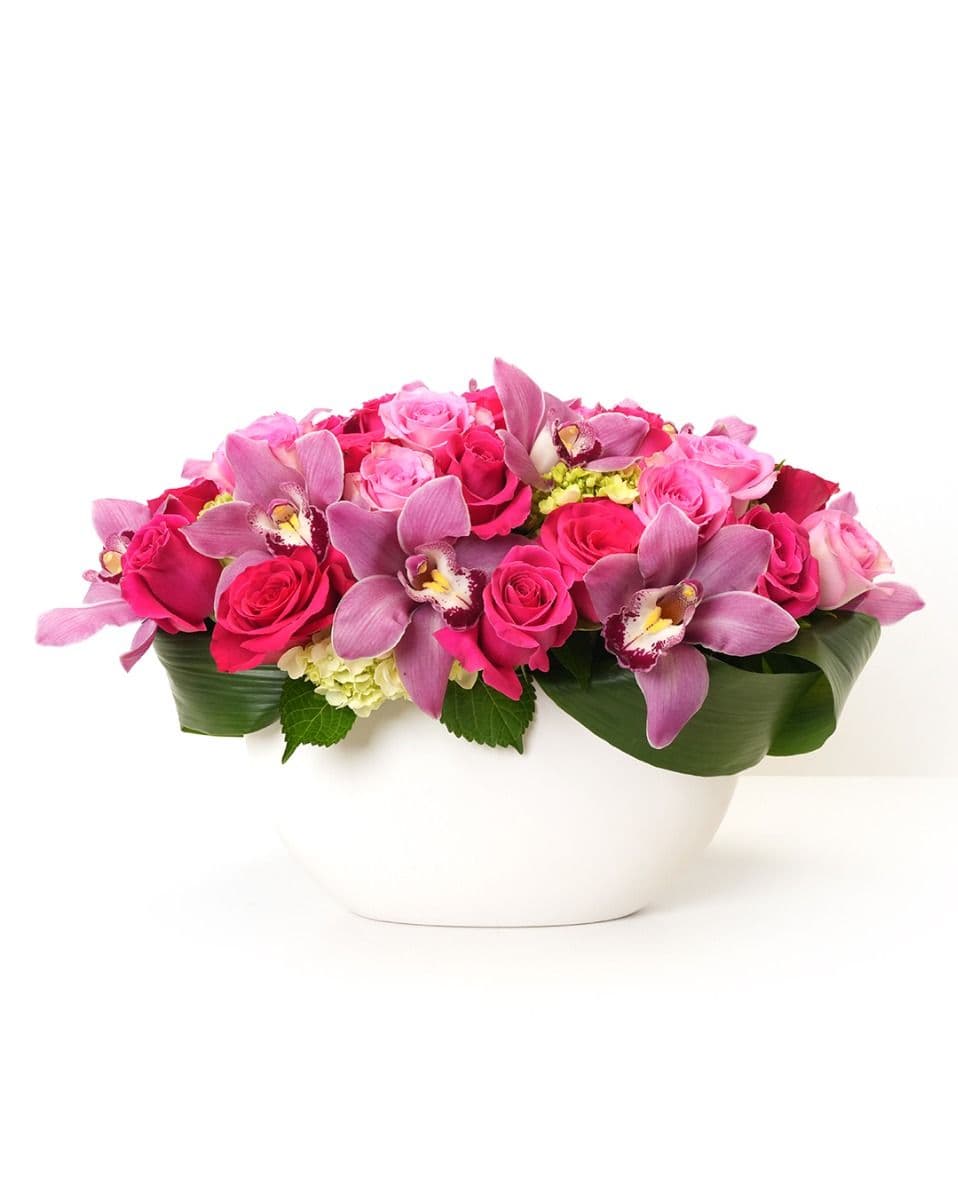
Adoration
$399.95
Browse the full flower and plant collection if you're looking for something more specific.
A Note on Outdoor Plantscaping
Aloe fits naturally into xeriscaped beds and succulent arrangements that hold up through South Florida summers without constant attention. If you're setting up plants for an office, outdoor common area, or a property in Fort Lauderdale, Oakland Park, or Wilton Manors, pairing aloe with other drought-tolerant species creates low-maintenance greenery that looks intentional rather than thrown together.
For broader guidance on what thrives in Florida's growing conditions, the UF/IFAS lawn and garden resources are worth a look if you're planning a larger planting project.
A Few Final Thoughts
Aloe is not a difficult plant, but it does reward paying attention. Most problems in South Florida come down to water (usually too much) and drainage (usually not enough). Fix those two things and the plant largely takes care of itself.
Check the leaves periodically. Firm, upright leaves in a grey-green or blue-green tone mean the plant is doing well. Soft, yellowing leaves mean water is pooling somewhere it shouldn't. Brown tips on otherwise firm leaves usually mean it needs a drink. The plant tells you what it needs if you look.
If you're building out a space with plants and flowers and want something that bridges the two, the South Florals flower guides have more ideas on pairing greenery with cut arrangements for different occasions.